The Necessity of Arborist Services in Tree Management: Discover Their Professional Offerings
Hiring an arborist is vital for effective tree care. Their specialized knowledge allows for accurate assessments of tree health, controlling infestations, and ideal cutting practices. Professional arborists also take environmental elements into account, customizing management strategies that guarantee the longevity and security of the trees. Understanding the full range of services they offer is key to improving the vitality of your landscape. Looking into their specialized offerings demonstrates how vital their involvement is in sustaining a healthy environment.
Understanding the Role of an Arborist
Although many may assume that tree care is a simple task, defining the arborist's job highlights a profession that encompasses much more than basic maintenance. Arborists are extensively educated professionals who focus on the health and safety of trees. They are experts at recognizing tree sickness, knowing how to control pests, and ensuring ideal cutting practices to guarantee ideal growth.
They also consider environmental conditions that can affect tree health, such as the composition of the ground and adjacent greenery. Their work often involves risk assessment, especially in urban areas where trees could present dangers to buildings and the public. Having expertise in tree life and local ordinances, arborists play a crucial role in advancing eco-friendly yard maintenance. By employing advanced tools and techniques, they help maintain the aesthetic appeal and natural equilibrium of green spaces. Therefore, the function of the arborist is vital for the future vitality and preservation of trees.
Advantages of Expert Tree Evaluation
When an expert arborist evaluates your trees, the benefits extend far beyond simple visual inspections. A comprehensive tree evaluation involves assessing the total vitality, stability of the structure, and any hazards the tree might pose. Arborists utilize specialized tools and techniques to identify issues such as disease, insect invasions, and physical frailties that are often hidden from non-experts.
In addition, specialized inspections give key information about the unique needs of your trees, guaranteeing customized maintenance that supports sustained vitality. Taking this preventative measure works to avert issues down the line, minimizing the chance of costly removals or damage to property. Moreover, precise evaluations enhance the security of the surrounding environment, as arborists can provide knowledgeable advice for upkeep or specialized treatment. In summary, investing in a expert tree inspection improves the lifespan and health of trees, promoting a flourishing habitat.
Safe and Effective Arboricultural Trimming Practices
Correct cutting is essential to preserving tree vitality and aesthetics. Arborists employ particular practices to guarantee that cuts are made without risk and productively, limiting injury to the tree. Knowing these practices can significantly improve the durability and strength of trees in all settings.
The Value of Correct Trimming
Effective tree pruning plays an essential role in preserving the vitality and aesthetics of trees. Proper pruning techniques assist in taking away non-viable or infected wood, allowing for improved airflow and sun exposure, which is essential for the total health of the tree. Furthermore, strategic pruning can improve the tree's form, minimizing the chance of harm during storms. In terms of appearance, neatly cut trees add to the visual appeal of the landscape, creating a pleasing aesthetic in residential and commercial settings (Florence Arborist). Additionally, proper pruning promotes robust development and reduces the chance of insect problems. By relying on the knowledge of an arborist, tree owners can ensure their trees get the right care, ultimately promoting longevity and strength in their foliage
Practices for Risk-Free Cutting
Appropriate practices for risk-free cutting are vital for achieving peak tree condition and guaranteeing the security of the tree and the worker performing the work. Arborists emphasize the importance of employing sanitized, keen instruments to execute accurate cuts, which lowers the possibility of damage and tree injury. Correct trimming methods involve the three-step approach for larger branches, which prevents tearing of the bark. It is necessary as well to prune during the tree's resting phase to minimize stress. Arborists recommend removing less than a quarter of a tree’s foliage simultaneously to prevent trauma. In addition, comprehending growth habits and refraining from making cuts near the base preserves the tree's structural soundness and encourages vigorous new growth.
Disease Diagnosis and Treatment Options
Identifying tree ailments demands a keen eye and a methodical process, as each sickness can show distinct signs. Professional arborists employ their skill to determine exact troubles such as pathogenic fungi, bacterial infections, and insect invasions. Arborists begin by examining foliage, bark, and roots, watching for fading, wilting, or unusual growth patterns that could signal an issue
(Florence Arborist)When the ailment is identified, tree care experts suggest suitable remedies tailored to the specific disease. Remedies often involve using chemical controls for pests and fungi, using correct irrigation methods, or modifying the soil's acidity. Furthermore, they may advise on the importance of preserving the tree's general well-being through proper nutrition and care
Importance of Tree Removal and Stump Grinding

Removing trees and grinding stumps is vital for keeping yards and gardens safe, as dead or unstable trees can create major risks. Furthermore, grinding out stumps boosts the beauty of the landscape and deterring future insect problems. Understanding these factors highlights the necessity for contracting an expert tree professional for successful tree management.
Hazard and Risk Evaluation
Executing get going a detailed hazard assessment is vital when planning tree extraction and stump elimination. This evaluation identifies potential hazards, such as compromised boughs, closeness to buildings, and buried service lines. Arborists utilize their expertise to determine the safest approach for tree extraction, securing the least amount of peril to structures and personnel. Arborists evaluate the tree's state, surrounding environment, and weather conditions, which collectively impact the risk during the removal process. Furthermore, stump grinding presents its own set of risks, including the potential for injury from equipment or debris. A thorough risk review mitigates these risks, allowing for a more efficient and safe execution of tree care services. Hiring an expert tree specialist ensures strict adherence to all safety procedures.
Beautifying Your Outdoor Space
While maintaining a beautiful landscape boosts property value and curb appeal, the presence of dead or overgrown trees negatively impacts its visual appeal. Tree removal is often crucial for revitalizing outdoor spaces, enabling greater light exposure and promoting the growth of adjacent plants. Furthermore, unsightly stumps can create visual clutter and pose tripping hazards. Stump grinding offers a solution, by efficiently getting rid of the residue of removed trees and restoring a seamless landscape appearance. By hiring an arborist, clients can be certain that tree removal and stump grinding are completed in a safe and efficient manner. Such professional skill not only boosts the aesthetic but also contributes to a healthier environment for existing plants, which creates a final outdoor area that is more appealing and inviting.
How to Prevent Pest Infestations
A welcoming outdoor area can quickly be compromised by the presence of dead or decaying trees, which often serve as breeding grounds for pests. Pest problems can cause considerable harm, damaging the trees themselves as well but also to adjacent structures and vegetation. Hiring an arborist is crucial for identifying trees that pose a risk and deciding if removal is necessary. Additionally, stump grinding gets rid of potential pest homes left by uprooted trees, further protecting the landscape. Consistent inspections and proactive steps, such as tree removal and stump grinding, contribute to a healthy environment, stopping costly pest outbreaks. Finally, an experienced arborist ensures that your outdoor areas stay lively and free of pests, maintaining both the look and the ecological health.
Professional Guidance on Tree Location and Landscape Planning
Strategically positioning trees significantly improves the beauty and the ecological health of an outdoor space. Arborists provide expert advice on selecting tree species that thrive in specific environments, taking into account elements like climate, soil type, and sunlight. They emphasize the importance of spacing, ensuring that trees have adequate room to grow preventing competition for necessary resources.
Furthermore, arborists assess the overall design of a landscape, suggesting where to place trees so they fit well with existing plants and structures. This intentional positioning doesn't just enhance the visual balance but also fosters a richer ecosystem by attracting various animals.
In addition, they advise on the alignment of trees to form organic wind barriers and provide shade, improving the energy performance for neighboring properties. By leveraging their expertise, property owners can cultivate landscapes which are attractive and long-lasting, contributing to enduring fulfillment and environmental stewardship.
Ongoing Maintenance and Care for Tree Health
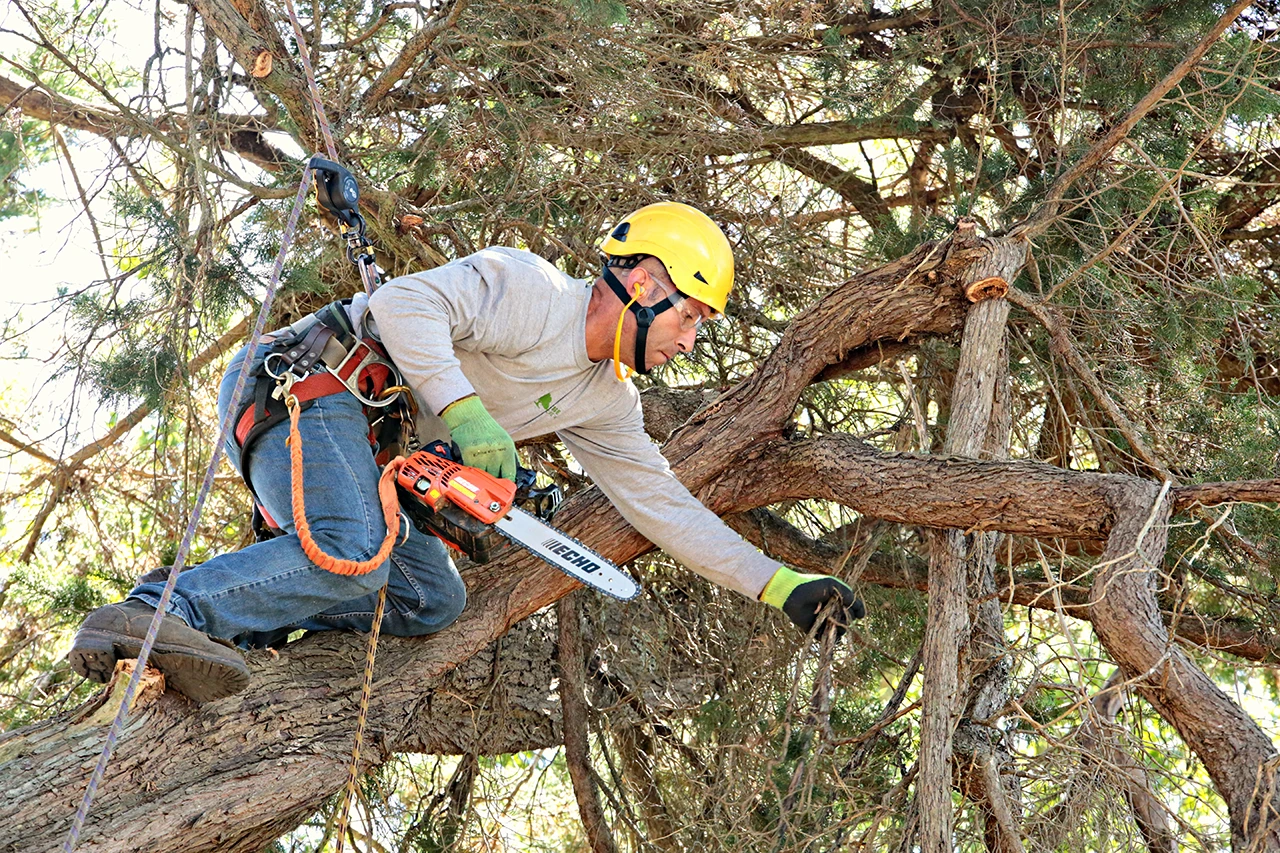
Ongoing maintenance is crucial for securing the prolonged well-being and strength of trees in all outdoor settings. Certified arborists deliver targeted services that include regular inspections, pruning, and pest management, all aimed at promoting ideal growth and averting illness. By monitoring tree conditions and soil health, they can identify potential issues before they escalate, sparing clients expense and effort.
Routine pruning helps maintain tree shape and taking away dead or unhealthy limbs, facilitating improved airflow and light penetration. Arborists also provide insights on appropriate hydration practices and mulch application routines that improve the earth's condition. Furthermore, they are able to suggest nutrient application timelines tailored to specific tree species, ensuring they receive the necessary nutrients.
Frequently Asked Questions
How should I go about picking the right tree specialist for What I Need Done?
In selecting a qualified tree specialist, it is important to check qualifications, evaluate their background, look at testimonials, and request quotes. Furthermore, talking about your particular requirements guarantees the selected professional aligns with personal expectations and tree care requirements.
Which Credentials Should I Seek in a Tree Specialist?
While picking a tree specialist, you ought to seek credentials like ISA (International Society of Arboriculture certification), TCIA (Tree Care Industry Association accreditation), and regional permits, ensuring the professional has the necessary expertise and training.
How Often Should I Hire an Arborist for Tree Care?
An arborist should be hired at least once a year for routine maintenance, however, increased visits could be needed for younger trees or those with specific health concerns, securing healthy maturation and durability.
Are Tree Specialists Able to Assist With Legal Matters Concerning Trees?
Indeed, arborists provide support for legal problems involving trees (Florence Arborist). They provide expert assessments, documentation, and testimony concerning the vitality, security, and care of trees, aiding in settling disagreements involving boundary disputes, responsibility, and municipal codes effectively
What Happens During an Initial Consultation With a Tree Care Expert?
During the initial consultation, the arborist assesses the tree's health, discusses concerns, offers suggestions, and describes possible services. The homeowner can expect a thorough evaluation and receive specialized recommendations focused on their individual tree care issues.